
Ad disclosure: This is a collaborative post.
Revising Business feels easier when you choose methods that suit how you process ideas. Every student is different. So, you might prefer short notes, practical exam tasks or quick prompts that keep topics fresh in your mind.
But all of them together might bring you the best results. Each method helps you build your knowledge and confidence, because you approach the material in many different ways. You can also adjust these methods as topics become clearer so your study routine stays flexible.
Now let’s explore how these options can guide you towards clearer progress and help you choose methods that support confident and steady revision.
Why It’s Important to Compare Revision Methods
Students often compare methods because they want effective tools that support their committed study habits. When you need to spend hours and hours every week to study, you should want to make the most of them. That’s why many students rely on business revision resources from Save My Exams, as their clear notes, past papers and topic guides help you stay focused during your studies.
Each tool serves a distinct purpose in the learning cycle, and the most effective strategy involves knowing when and how to leverage each one to maximize understanding and exam performance.
Notes: The Foundation of Understanding
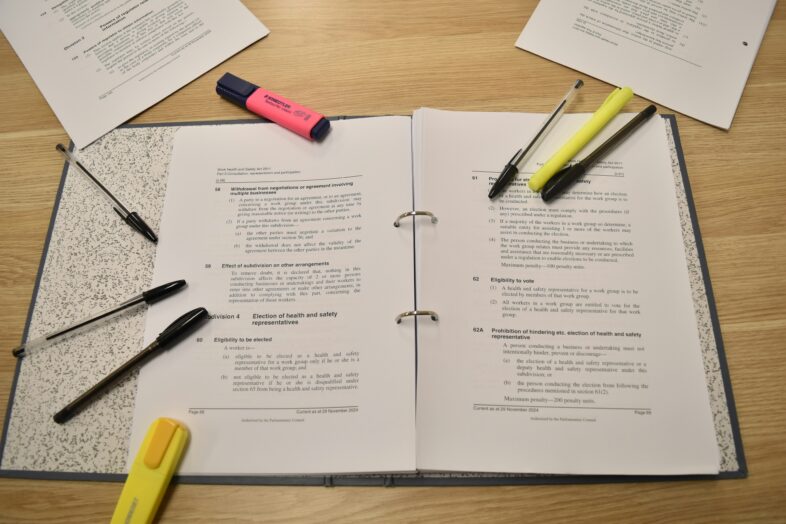
Notes work well when you need clear explanations that grow stronger through steady review. You can break large topics into short parts that highlight key links between business topics. This resource supports deeper understanding because you rewrite ideas actively rather than read passively. It also ensures no syllabus area is missed.
Notes provide the context necessary to explain why a business decision is made. You also gain flexibility since you can revisit each section quickly whenever you want to recall something important.
Flashcards: Mastering Retrieval and Vocabulary
Flashcards help you stay sharp through short bursts of focused recall. They suit quick sessions because you can review difficult terms without long preparation. You flip through cards rapidly so you identify gaps that need more attention. This method supports steady growth since repeated testing strengthens memory and makes important points easier to bring to mind.
However, it should also be said that flashcards lack context. They test what you know, but not your ability to apply that knowledge in an analytical essay.
Past Papers: Application and Exam Technique
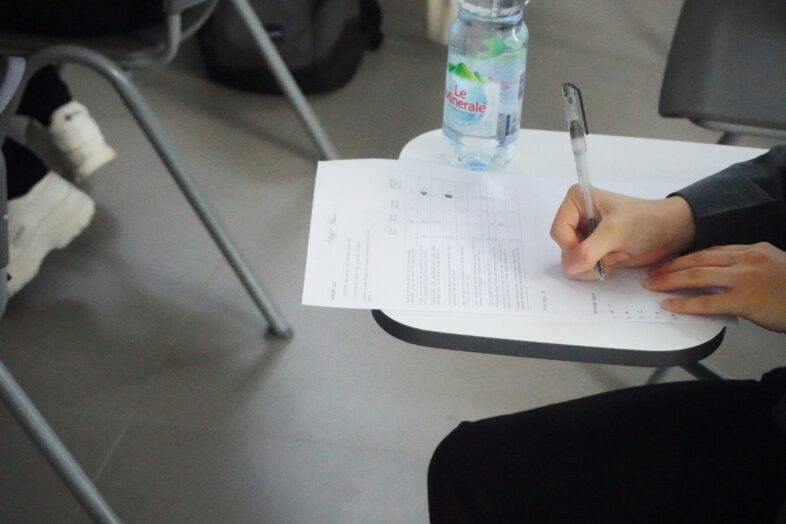
Past papers will suit you if you want practice with real exam structure. They show you common question styles so you understand how knowledge is tested. You can track your timing which helps you stay calm during longer tasks. This routine builds confidence because you see progress as your answers grow clearer and more direct across each attempt.
You can use past papers to develop your exam technique, practise application of models to new case studies, and hone your evaluation skills. They show you where you are losing marks (e.g. poor analysis vs. simple knowledge gaps).
Please note that attempting papers without a solid foundation in your notes and flashcards can be discouraging and unproductive.
Choose a Method That Fits Your Style
Choosing the right method depends on how you process information during revision. Notes can give you clarity when topics feel dense. Past papers give you experience applying ideas under timed conditions. And flashcards help you keep important terms active in your memory.
When these methods work together, they create a balanced routine that helps you make steady progress and reduce unnecessary stress.
The Strategic Balance
The most successful UK Business students integrate all three tools: they use notes to learn the content, flashcards to embed the facts and figures into long-term memory, and past papers to practise applying that deep, fluent knowledge under pressure.
This integrated approach ensures students are not only familiar with the content but can fluidly retrieve and apply complex concepts in structured, analytical answers, leading directly to higher exam grades.
