Ad disclosure: This is a collaborative post.
Many parents choose homeschooling because they want to shape learning around their child’s interests, pace and strengths. While subjects like English, history or science often feel familiar, coding can seem like unexplored territory. The word itself can bring to mind complex mathematics, technical jargon and highly skilled programmers sitting behind multiple computer screens.
The reality is rather different.
Children do not need a software engineer at the kitchen table to develop programming skills. In much the same way that parents can guide creative writing without being novelists, or encourage music without being professional musicians, coding can become another enjoyable part of home education with the right approach.
The goal is not to produce a future software developer overnight. Instead, coding offers children another way to think, solve problems and express ideas, all while building confidence in using technology creatively rather than simply consuming it.
Start with problem solving, not programming
One of the biggest misconceptions about coding is that children must immediately begin writing lines of code.
In reality, programming begins with learning how to solve problems logically.
Everyday homeschooling already provides opportunities to develop these skills. Following a recipe, building a model, planning a garden or creating a treasure hunt all require children to think through a sequence of steps. Asking questions such as “What happens first?”, “What could go wrong?” and “How would you explain this to somebody else?” encourages computational thinking long before a computer is switched on.
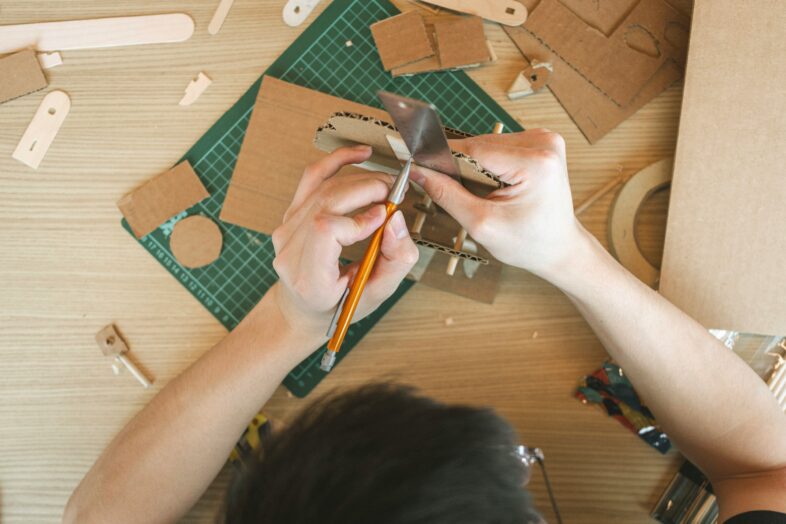
These conversations help children understand that computers simply follow instructions. Good programmers learn to break large problems into smaller, manageable pieces, exactly the same skill that homeschooling parents encourage across many subjects.
You do not need to know every answer
Many parents worry that their child will ask technical questions they cannot answer.
That concern is understandable, but it misses one of homeschooling’s greatest strengths.
Learning together models curiosity. Children see that adults continue learning throughout life and that not knowing something is perfectly normal.
Instead of feeling pressure to explain every concept immediately, parents can explore solutions alongside their children. Reading instructions together, experimenting with ideas and discussing mistakes creates a learning environment where curiosity matters more than expertise.
Ironically, some children become more confident because they realise that learning is a shared experience rather than a performance.
Choose beginner-friendly resources
The internet offers thousands of coding courses, videos and tutorials, but too much choice can become overwhelming.
It is often more effective to begin with structured resources designed specifically for children learning at home. Many platforms introduce programming through games, puzzles and interactive challenges, allowing children to build confidence gradually.
Parents looking for resources focused on coding for homeschoolers can explore to see how structured lessons can fit naturally into a home education routine without requiring previous programming experience.
The most helpful programmes provide clear progression, immediate feedback and opportunities for children to experiment independently while still allowing parents to follow their progress.
Keep lessons short and consistent
Coding does not need to dominate the weekly timetable.
Many successful homeschool families introduce twenty to thirty minute sessions a few times each week. Short lessons help children remain focused while giving them time to reflect between activities.
Consistency matters more than duration. Small improvements accumulate surprisingly quickly when children revisit concepts regularly.
Ending each session with a small success also helps maintain motivation. Completing a puzzle, making a character move across a screen or solving a challenge gives children a clear sense of achievement before moving on to something new.
Encourage creativity rather than perfection
Some adults assume coding is purely technical, but programming is surprisingly creative.
Children can invent stories, design games, animate characters or build simple interactive projects that reflect their own interests. A child fascinated by dinosaurs might create a quiz about prehistoric animals. Another who enjoys art could design colourful animations or digital stories.

When projects connect with personal interests, coding feels less like another subject on the timetable and more like a creative outlet.
Parents do not need to judge projects according to professional standards. The objective is exploration, experimentation and enjoyment.
Mistakes are part of the lesson
Programming rarely works perfectly on the first attempt.
Experienced developers spend much of their time identifying and fixing mistakes, a process known as debugging. Children quickly discover that errors are not signs of failure but opportunities to investigate what happened.
This mindset has value far beyond computing.
Children who become comfortable testing ideas, correcting mistakes and trying again often develop resilience that supports learning across mathematics, science and even creative subjects.
Parents can reinforce this by asking questions rather than supplying answers immediately.
“What changed?”
“What do you think caused that?”
“What happens if we try something different?”
These conversations encourage independent thinking rather than dependence on adult guidance.
Blend coding with other homeschool subjects
One advantage of homeschooling is the freedom to connect subjects naturally.
Programming can complement many areas of the curriculum.
A history project might become an interactive timeline.
A science topic could inspire a simple simulation.
Mathematics lessons may involve creating games based on multiplication or geometry.
Children studying creative writing could programme interactive stories where readers choose different endings.
These connections demonstrate that coding is not a separate discipline isolated from everyday learning. Instead, it becomes another tool children can use to explore ideas.
Focus on progress, not comparison
It is easy to compare children with friends attending school or with impressive projects shared online.
However, every homeschool journey develops differently.
Some children become fascinated immediately. Others need months before programming truly captures their interest.
Progress should be measured against previous understanding rather than external expectations.
A child who confidently explains how a simple loop works has achieved something meaningful, even if they are not yet creating sophisticated games.
Celebrating these small milestones helps maintain enthusiasm over the long term.
Give children ownership of their learning
One of the greatest advantages of homeschooling is flexibility.
As children become more confident, they can begin choosing their own projects and setting personal goals. Some may enjoy designing games. Others might build animations, puzzles or digital artwork.
Ownership increases motivation because children see coding as something they are creating rather than simply completing for a lesson.
Parents can support this process by asking open-ended questions.
“What would you like your project to do?”
“Who is it for?”
“What could you improve next time?”
These conversations encourage reflection while allowing children to direct their own learning.
Remember that coding is only one piece of a balanced education
Programming has become an increasingly valuable skill, but it should sit alongside reading, writing, mathematics, physical activity, creativity and opportunities to explore the wider world.
Children benefit most when coding supports broader educational goals rather than replacing them.
Whether they eventually pursue careers in technology, engineering, healthcare, design or something entirely different, the habits developed through coding, logical thinking, persistence, creativity and problem solving, remain valuable throughout life.
For homeschooling parents, that may be the greatest reassurance of all.
You do not need a computer science degree to help your child discover programming. You simply need curiosity, patience and a willingness to learn together. In many ways, those qualities have always been at the heart of successful homeschooling.