
Ad disclosure: This product was sent to us free of charge for the purpose of this review, and represents our honest opinion of the product.
Product: Rainbow Science by John Adams
Price: £24.99 RRP (£21.91 on Amazon at time of publishing)
Age Range: 8 years+
Manufacturer’s Description: Rainbow Science allows budding scientists to create 5 magically colourful and fun rainbow-themed experiments! Blow a cascading rainbow of bubbles; paint augmented reality rainbows in the air; create a magical unicorn hologram, make a colourful amulet and a bright walking water rainbow flower.
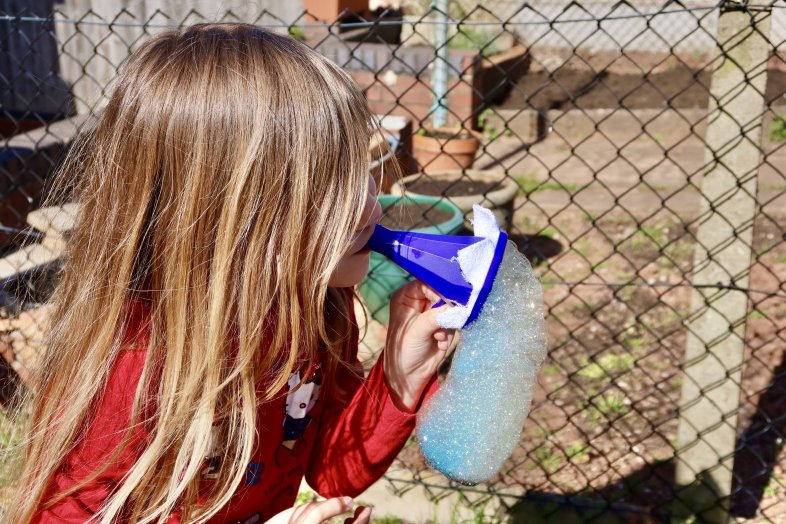
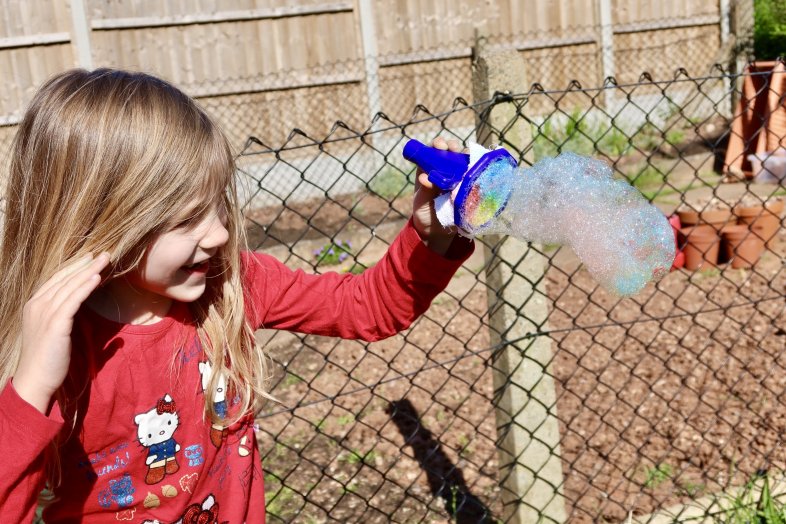
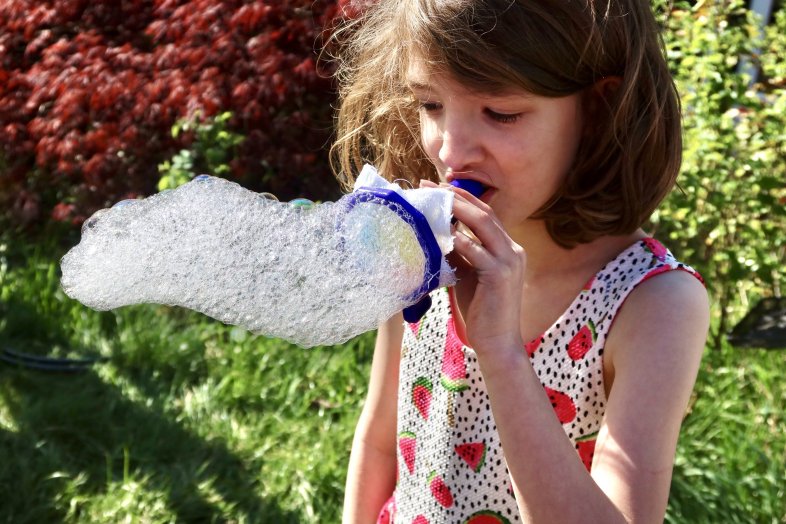
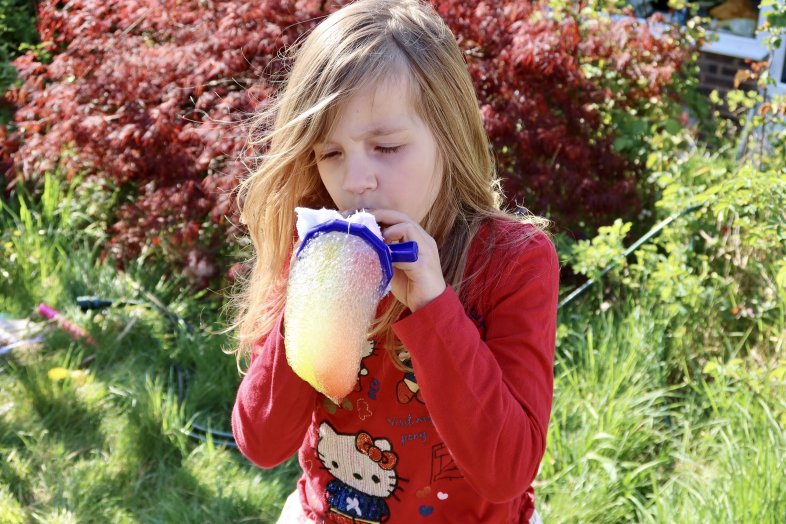
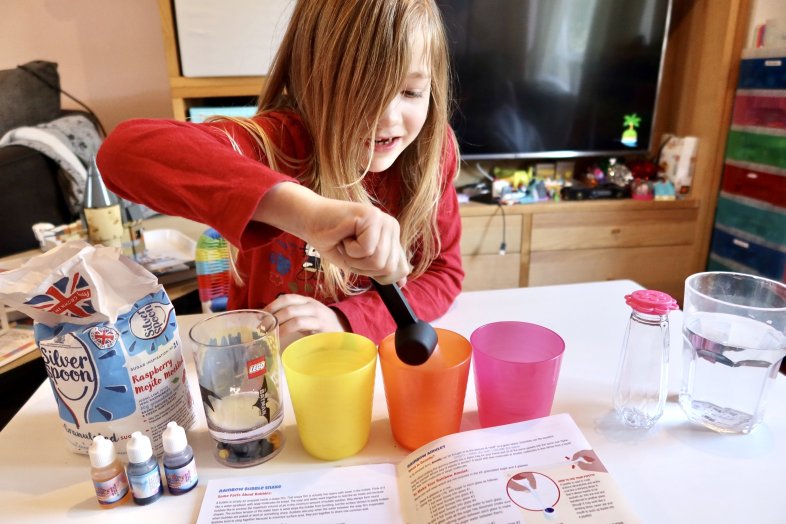
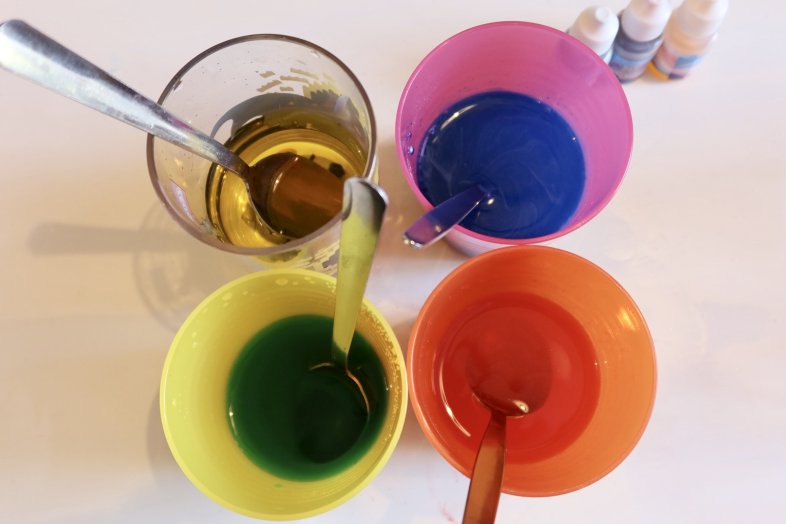
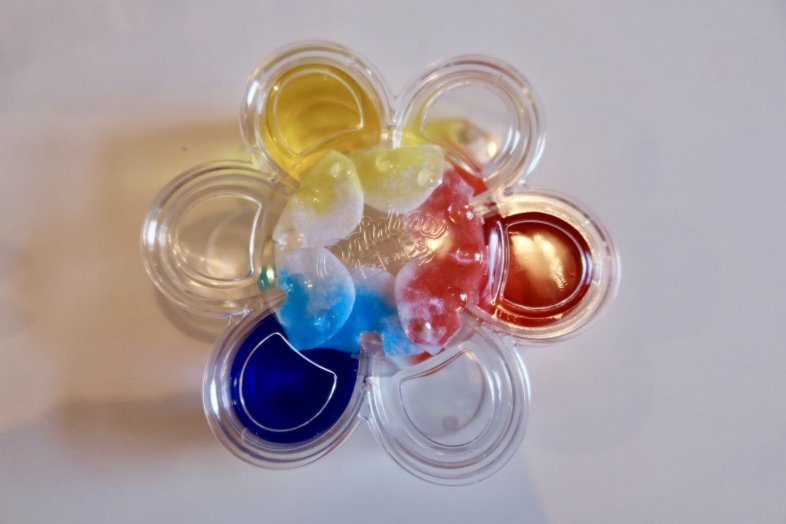
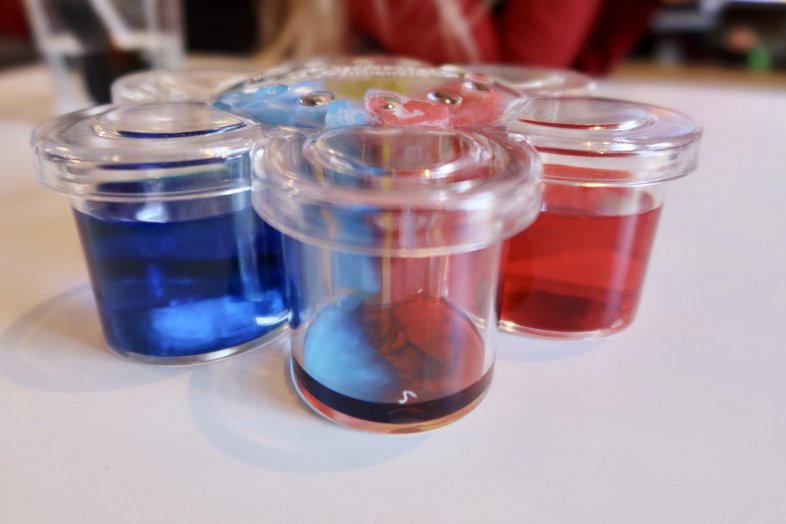
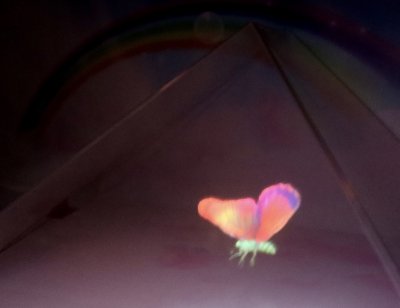
Rating: (5/5 stars) Review: With the whole country homeschooling, it’s the perfect time to be digging out the craft sets and science kits, and get stuck in creating and experimenting. We’ve been sent the Rainbow Science kit by John Adams to test out, and the girls have been loving it. Inside the box you get almost everything you need to perform five different experiments; a bubble lower complete with flannel piece, rainbow amulet bottle with suction cup & string, pipette, scoop, walking water flower container and felt wicks, concentrated powder colouring, hologram ‘stage’ and AR ‘ rainbow wand’. The only additional things you need are a few glasses, a shallow dish/plate, a bit of washing up liquid, granulated sugar, a smartphone, and cold water – all things nearly everyone has in their house. I really appreciated the colours coming as concentrated powder; it was really easy to use the included pipette to top the little bottles up with water, and there was no risk of them leaking over the whole box in the post! The five experiments all play with light and/or colour, and the included booklet does a great job explaining the science behind each experiment, what is happening during them, and providing clear step-by-step instructions for each one. Lydia, Georgie and I had no problems with any of them. We started off with the Rainbow Bubble Blower, which was really simple to put together. You have to supply your own shallow dish/plate, put a small amount of cold water in mixed with a few drops of washing up liquid, which you then dip the end of the bubble blower into. Once you’ve got the flannel on your bubble blower wet with the soapy liquid, you squeeze a few drops of the colours onto the flannel, then blow slowly and consistently in the other end. The girls were amazed and very happy to see a rainbow bubble snake appear! The small bubbles formed on the flannel as you blow get coated with the colouring, and so the snake comes out very colourful – at least for the first little while. The girls enjoyed making plain white ones and experimenting with how much colour they were adding. The next thing Lydia and I did was the Rainbow Amulet which explores the concept of density. By dissolving different amounts of sugar into equal amounts of water we created sugar water of different densities, and then made each one a different colour; yellow, green (mixing the yellow and blue), blue, and red. After we mixed everything thoroughly, we carefully transferred some of each sugar water mixture into the amulet bottle. Lydia did the first colour, blue, and then I took over for the final three colours as it takes careful use of the pipette to make sure that the colours don’t mix. Because the mixtures are different densities they stay in their different layers, with the densest mixture at the bottom and the least dense at the top. The kit includes a string and suction cup so once complete you can hang it up in the window and enjoy the sunlight filtering through. Our next experiment was the Walking Water Rainbow Flower, which uses felt wicks to transfer coloured water from one petal of the flower container to the next. You start off with the three primary colours and three empty petal compartments in between, and very quickly you see the water travel through the felt into the empty petals. The water travels through ‘capillary action’ into the empty petals, where it mixes together to make the secondary colour; green, orange and purple. Our purple & orange were a bit dark as Lydia had a bit of a heavy hand with the red and blue colouring the water! The final two experiments made use of my phone – I downloaded the free Rainbow FX app and we had great fun playing with the Augmented Reality wand, drawing rainbows. You can use the included Rainbow ‘AR Canvas’ and great 3D shapes too, which was fun. The second part of the app was for the Hologram Viewer, which was fairly simple to put together. This experiment is a recreation of an old theatre trick called Pepper’s Ghost and uses a transparent bit of plastic to reflect the light from the phone screen, causing a hologram-like effect. The app includes three ‘holograms’, a unicorn, a butterfly, and a bird. Lydia thought it was amazing! It is really clever and easy to use. It works best in a dark environment so we hid under a black blanket to view the ‘holograms’, and the worked really well. Overall we’ve been really pleased by the Rainbow Science kit, and the girls are planning to continue using the bubble blower, hologram viewer and AR wand for fun, and we could repeat both the amulet and flower experiments easily by washing everything out and reusing them. I think it’s good value for money because it can be used again & again, and you get a decent amount in the box. The explanations of the science in the booklet and the instructions are both really well written, and perfect for the age this kit is aimed towards. Some adult supervision is needed throughout but the girls got stuck in and did a lot themselves. John Adams do a whole range of science kits to explore; Lydia got the Science in Wonderland kit (which they kindly sent us for inclusion in our Christmas gift guides) for Christmas and spent hours playing with it on Boxing Day. We give this kit 5 stars, it definitely makes learning science fun which is always a great way to learn. Lydia’s review is short and sweet: “I loved it!”






Wow
It’s so colorful and bright
I should buy one for my kids
Thanks for post
Alex from bestwritersonline.com