
Ad disclosure: This is a collaborative post.
It’s interesting how you and your neighbor both decided to homeschool your kids this year, isn’t it? As a stay-at-home mom, you might find that developing effective strategies can make a significant difference in both your teaching experience and your children’s engagement. From establishing a routine to creating a dedicated learning space, each choice can shape your homeschooling journey. But what strategies have you considered, and how can they help you balance lessons with your everyday responsibilities? Exploring these aspects might just change your approach entirely.
Establishing a Routine
While it might seem intimidating at first, establishing a routine for homeschooling can be a game-changer for stay-at-home moms. A solid routine not only provides structure but also helps you and your children stay focused and motivated throughout the day.
Start by mapping out a daily schedule that includes time for lessons, breaks, and activities. Begin each day at the same time to create consistency. You might want to incorporate a morning meeting where everyone discusses the day’s goals and what to look forward to.
Keep your lessons short and engaging, ideally around 30 to 45 minutes, followed by breaks to recharge. Don’t forget to be flexible! Life happens, and sometimes you’ll need to adjust your routine. It’s perfectly okay to swap activities or extend breaks if your kids need it.
Involve your children in the process—let them help decide on topics or activities. This not only fosters independence but also builds excitement about learning.
Creating a Dedicated Learning Space
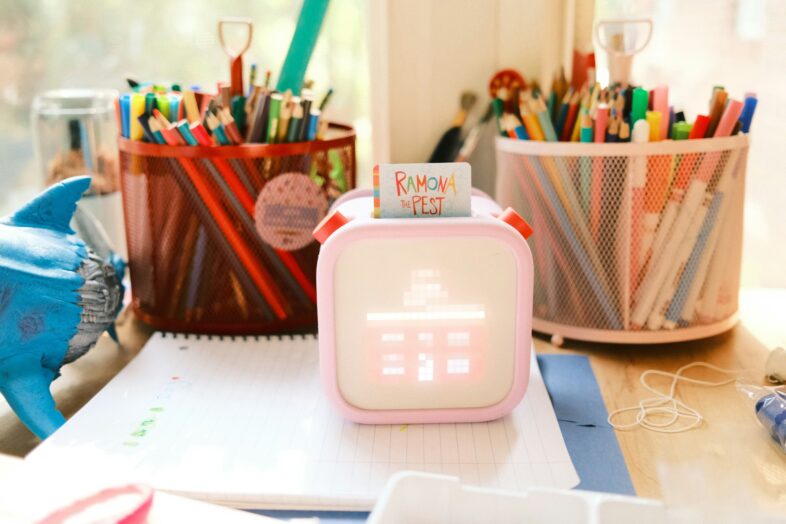
Creating a dedicated learning space can really elevate your homeschooling experience. When you set aside a specific area for learning, you establish an environment that fosters focus and creativity. Choose a location in your home that’s quiet, well-lit, and free from distractions. This could be a spare room, a corner of your living room, or even a cozy nook in your basement.
Make certain to equip your space with all the essential supplies. Stock up on books, writing materials, and educational tools that your kids will need. Consider adding a whiteboard or bulletin board for visual aids and reminders. Personalizing the space with your children’s artwork or inspiring quotes can also create a welcoming atmosphere.
Don’t forget about comfort! Confirm that you have suitable seating and a workspace that accommodates both you and your kids. This will help everyone feel more engaged during lessons.
Incorporating Hands-On Activities
Incorporating hands-on activities into your homeschooling routine can greatly enhance your children’s learning experience. These interactive experiences not only make learning fun but also foster deeper understanding and retention of concepts.
Start by integrating activities that align with your curriculum—think science experiments, art projects, and cooking lessons. For instance, when studying plant biology, have your kids plant seeds and observe their growth over time.
You can also utilize everyday household items for creative projects. Building a model of the solar system using fruits or crafting a simple circuit with batteries can make abstract concepts tangible.
Don’t forget about outdoor learning! Nature walks can turn into lessons about ecosystems, while scavenger hunts can reinforce skills like critical thinking and problem-solving.
Encouraging your children to take the lead in these activities boosts their confidence and independence. Allow them to explore their interests; if they’re fascinated by dinosaurs, for example, let them create a diorama showcasing their favorite species.

Utilizing Online Resources
With the vast array of online resources available, you can easily enhance your homeschooling experience and provide your children with diverse learning opportunities. From interactive websites to engaging educational apps, and even enrolling in a k-12 online school, the internet offers tools that cater to various learning styles and subjects.
Start by exploring platforms like Khan Academy, which offers free courses on everything from math to art history. These resources can supplement your lessons and provide different perspectives on challenging topics.
Additionally, websites like PBS LearningMedia and National Geographic Kids offer engaging, multimedia content that can make learning more enjoyable for your children.
Don’t forget about online libraries and e-books! Sites like Project Gutenberg provide access to classic literature, while services like OverDrive can help you borrow e-books and audiobooks easily.
You can also connect with other homeschooling families through online forums and social media groups. Sharing resources and ideas can inspire new approaches and keep your teaching fresh.
Encouraging Independent Learning
Encouraging independent learning is essential for nurturing self-motivated, curious learners. When you foster this skill, you help your child gain ownership of their education, leading to a more engaged and enthusiastic approach to learning.
Start by creating a dedicated learning space where your child feels comfortable and inspired. This space should be free from distractions and stocked with necessary materials.
Next, encourage your child to set personal learning goals. Help them identify topics they’re passionate about and guide them in researching these areas. Provide resources like books, online courses, and educational videos, but let them choose how they want to explore the material.
You can also implement a routine that allows for both structured learning and free exploration. Designate specific times for independent study, where they can immerse themselves in subjects of interest without your direct involvement.
Regular check-ins can help you assess their progress and offer support when needed.
Balancing Household Responsibilities
While fostering independent learning is important, it’s equally essential to balance household responsibilities. Juggling both can be challenging, but with some strategies and a little planning, you can create a harmonious environment for both learning and daily chores.
Here are four practical tips to help you maintain that balance:
- Establish a Routine: Create a daily schedule that designates specific times for learning and household tasks. This structure helps you stay focused and reduces stress.
- Involve Your Kids: Assign age-appropriate chores to your children. Not only will this lighten your load, but it also teaches them valuable life skills.
- Set Priorities: Determine which household tasks need immediate attention and which can wait. This way, you won’t feel overwhelmed, allowing you to devote quality time to homeschooling.
- Practice Self-Care: Don’t forget to take care of yourself! Incorporating short breaks for relaxation or hobbies can recharge your energy and improve your overall effectiveness.
Connecting With Other Homeschoolers
Building a strong community is essential for homeschooling success. Connecting with other homeschoolers not only provides you with invaluable support but also enriches your child’s learning experience.
Start by reaching out to local homeschooling groups, both online and in-person. Social media platforms, like Facebook, often have dedicated groups where you can share resources, ask questions, and find local events.
Don’t underestimate the power of co-ops, either. These cooperative groups allow you to collaborate with other families, offering classes and activities that enhance your curriculum. You can also organize field trips, study groups, or even just regular playdates, fostering social connections for both you and your children.
Additionally, attending homeschooling conferences or workshops can open doors to new friends and mentors. You’ll gain fresh ideas and inspiration while building relationships with like-minded families.
Conclusion
In the delightful journey of homeschooling, you’ll uncover that a little structure and creativity can go a long way. By nurturing a vibrant learning environment and fostering independence, you’re not just educating your children but also cultivating lifelong learners. Remember to connect with fellow homeschoolers for inspiration and support, and don’t forget to take care of yourself along the way. Embrace this rewarding adventure, and watch your family thrive in ways you never imagined!
