
As parents, James and I are keen to try and instil a love of the outdoors and nature into our children. I would love for Georgiana and Lydia to grow up to have respect for nature, to care about wildlife, and with a good level of knowledge for the whole subject.
Georgie’s current repertoire, at 2 years and 2 months old, goes something like this… “Bird! Tweet tweet. BEE!!! Bee. Bee. Fly. Tree! Fwower. Pretty fwower. Bug! Raddit. Petey Raddit.”
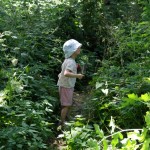
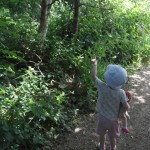
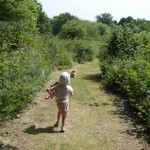
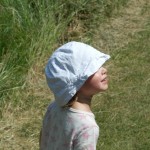
In order to encourage Georgie (and eventually Lydia) to take an interest in the outdoors, we have started to do a few things. Firstly, we signed the whole family up to RSPB, and Georgie is now an official Wildlife Explorer. Secondly, we are trying to get out more; either a wander with the dog to what I call the “local wilderness,” a walk in the woods, or a trip in the car to one of the country parks we have close by.

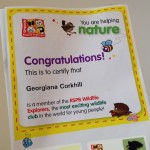
As part of her RSPB membership, Georgie was given a Nature Detectives’ Handbook to help record her exploration of nature. She is really too young to use the book properly, but it’s a great basis for us to make a checklist of what we should be looking out for & pointing out to her on our walks. It includes the common species of trees & shrubs, flowers, amphibians, birds, fungus, ladybird & butterflies, so it’s a great starting point.
Whenever we find something that is in the book, or identify it later from photos we take while we’re out, Georgie gets to put a tick sticker by it’s picture at the front of the book, and another sticker onto it’s page. There is helpful information about habitat & how to identify each thing, as well as some interesting facts and a space to make notes or draw pictures for each bird or tree, etc, in the book. The illustrations are lovely and very “child-friendly,” with identifying markers pointed out for easy reference.

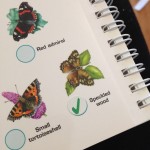

I really recommend getting this book, or something similar, for any trips outdoors with your kids. By helping them to learn about their surroundings, hopefully they will learn to care for them and take notice of the wonderful wildlife around them.
We’ve been on a few walks over the last few weeks, and have managed to tick a few of the boxes on our checklist, as well as making some other discoveries.
The fab thing about digital photography is that you can take a camera with you, take loads of snaps of all the flowers and other wildlife you see, and then refer to books and the amazing resource that is the internet when you get home! There are some amazing communities online who will help you to identify plants and creatures if you upload photos for them to scrutinise. Hopefully next time you’re out, you’ll be able to recognise more yourself, if you educate yourself & your family to what you have spotted on each visit, after looking it up.
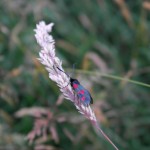
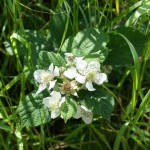
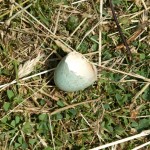
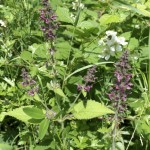
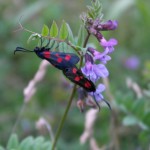
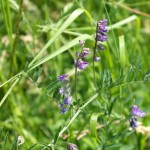
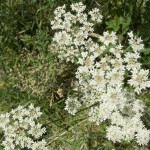
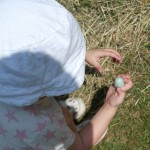
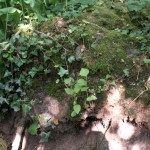
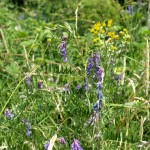
With some help from books we have at home, as well as the Wild About Britain and UK Butterflies websites, I have been able to work out what is what from our recent walks in the local area. Here is what we managed to find:
Hover over any photo below to see a caption with the identification info, or click to browse the gallery full screen

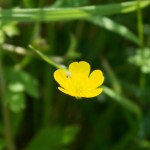
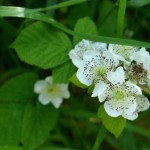
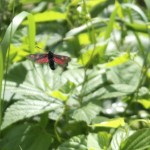
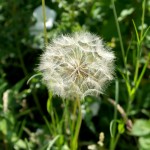
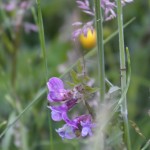
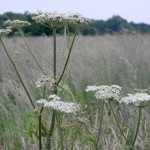
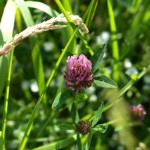
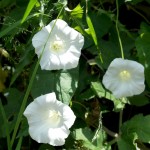

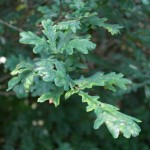

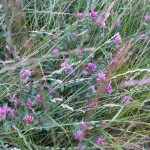
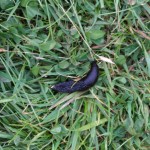

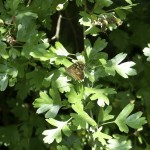
It won’t be long until we’re back out again wildlife spotting! We’re delighted with the amount of green space around our new home, so will be going for a lot more local nature walks, now that we’ve moved house to such a pretty area.
This post is my entry for the July Center Parcs Family Blogger challenge.

Looks fab 🙂
Lovely post about putting kids in touch with nature by walking – by Mama Geek…