Ad disclosure: This product was sent to us free of charge for the purpose of this review, and represents our honest opinion of the product.
Product: Which Way? Game
Price: £24.98
Age Range: 4-8 years
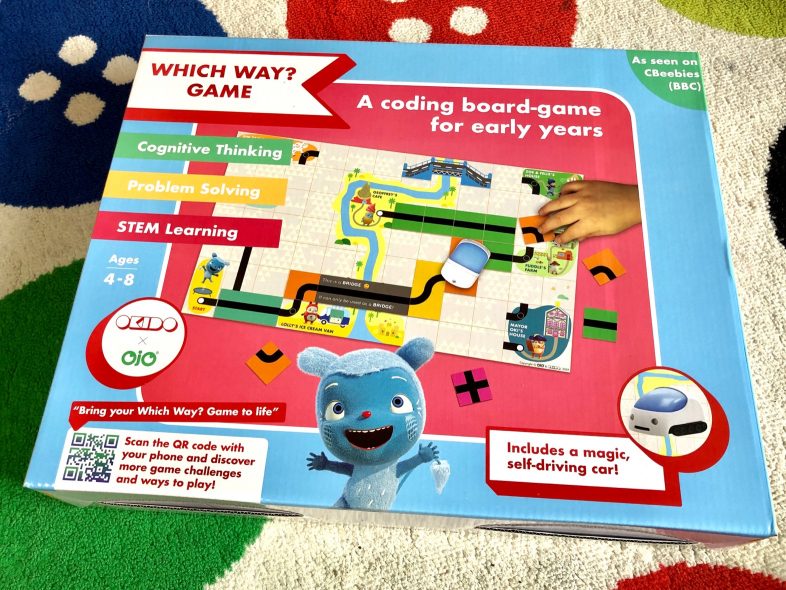
Manufacturer’s Description: The Which Way game is a new and exciting adventure game that teaches coding skills to 4-8 year olds. Who can help Messy Monster (from CBeebies TV show, Messy Goes to OKIDO) visit all his friends across the map first?
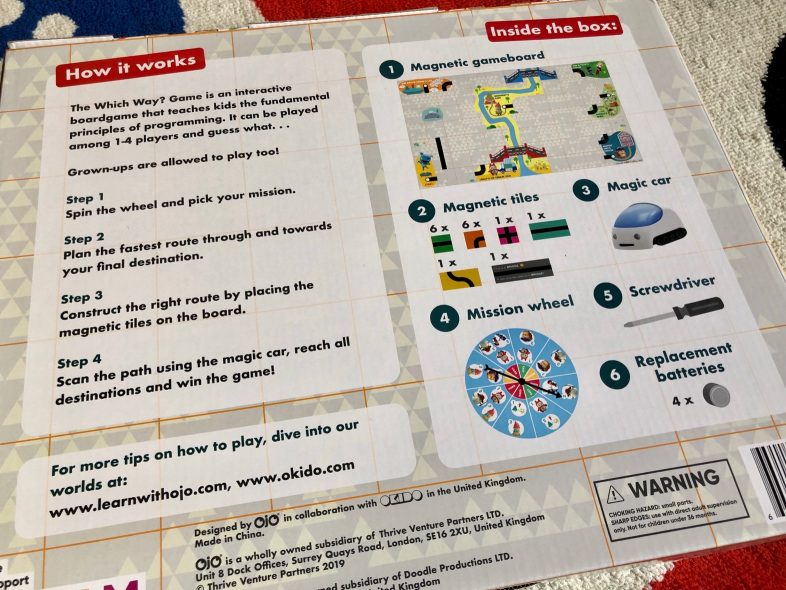
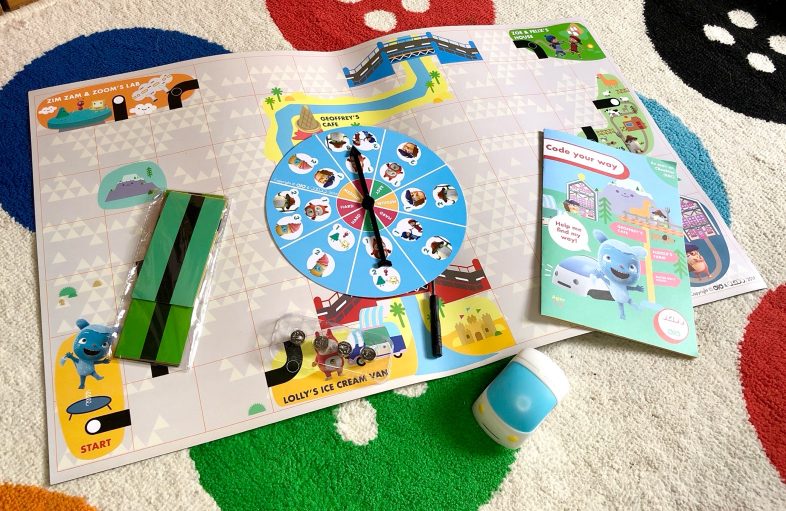
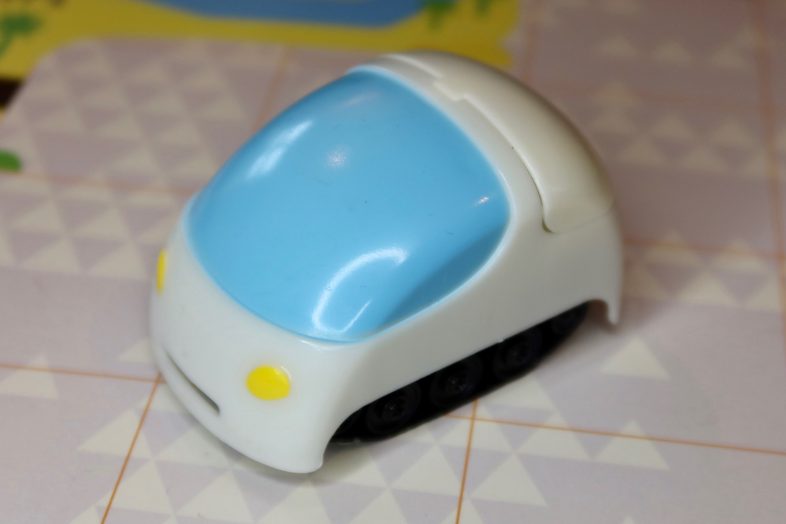
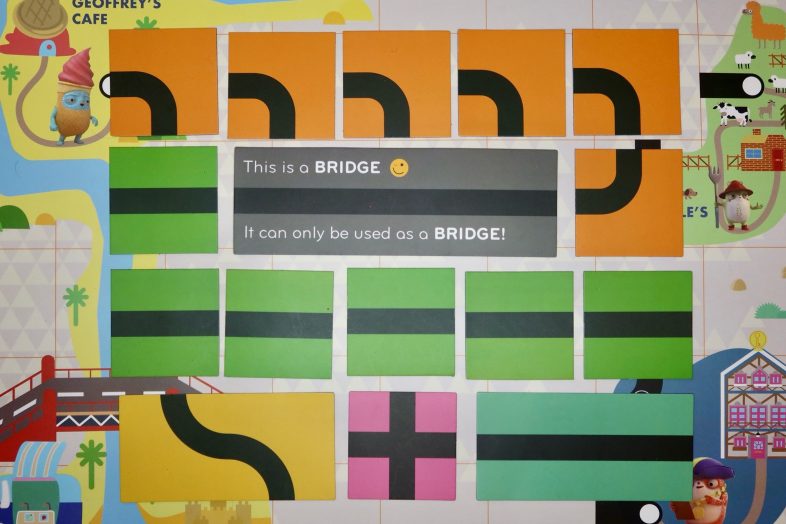
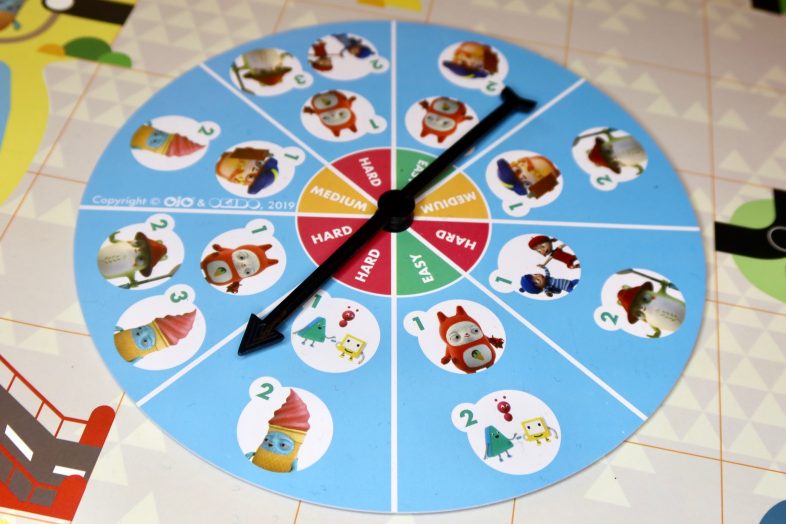
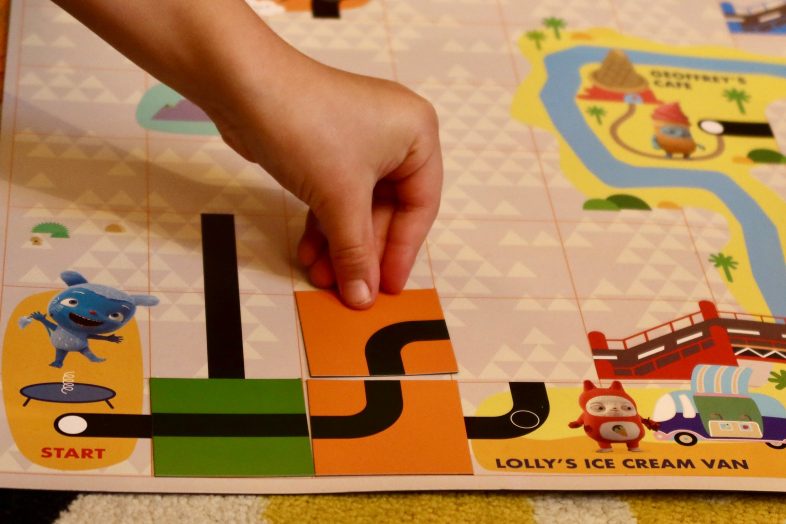
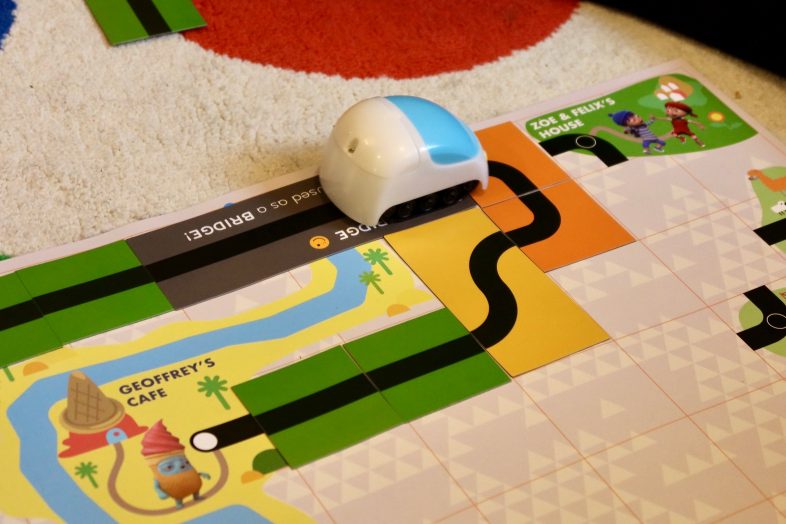
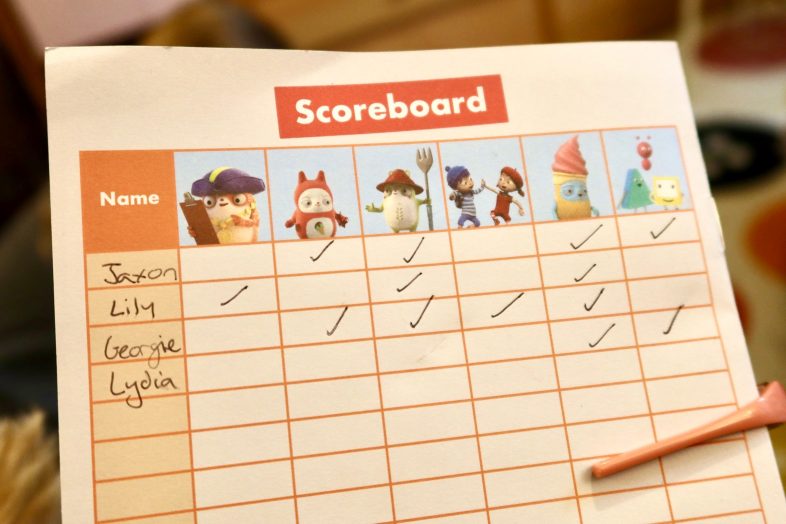
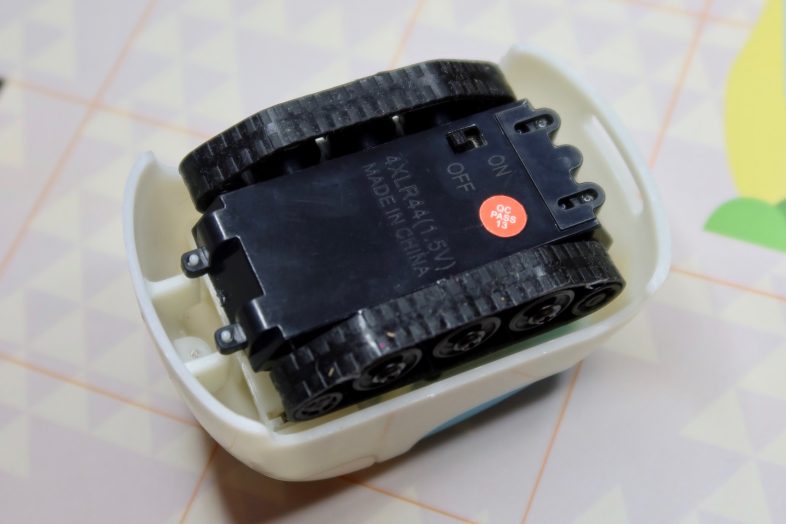
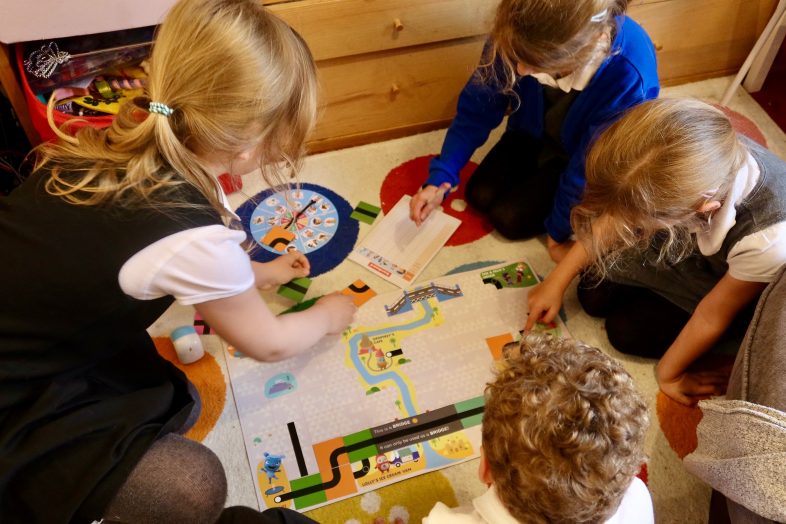
Rating: (4/5 stars) Review: With two geeks in the making for kids, we were really intrigued by this game when it arrived, as it aims to help develop basic coding skills – something both Lydia and Georgie are interested in. The Which Way? game features Messy & his friends from the CBeebies show Messy Goes to OKIDO, which is all about how things work. Messy also features in the children’s OKIDO art & science magazine – we’ve had a few copies of this in the past and the children have enjoyed it, so they were eager to give this game a go. Inside the box you get: The aim of the game is to be the first player to have visited all of Messy’s friends with the magic car. Children take turns to spin the wheel, and then lay out the magnetic tiles on the game board in a way that directs the car from the starting position to each character shown on that segment of mission wheel. You get six short straights, one long straight, one wiggly tile, six corners (which can be used for either left or right), and a bridge tile so that you can direct the car over one of the two bridges on the board. The ‘magic’ self-driving Okidoodle car is electronic, and ‘magically’ follows the route laid out with the magnetic tiles, using the sensors on the bottom of the car. Which Way? is all about problem solving and cognitive thinking; in order to win the game, children have to analyse the problem given to them, and figure the various routes around the board, using the tiles – aka the logic steps / instructions for the solution. The game encourages them to follow the steps you follow when coding: If the car fails to make it all the way, you have to figure out why and fix your solution. When the kids were playing, it was mostly because they hadn’t lined up the tiles properly on the board, so they had to figure out which ones needed straightening, and sort them out. You keep track of the scores on the back of the instructions leaflet, by ticking off the friends each player visits on their turn. The first to reach all the destinations is the winner. We used an erasable pen for this so that we could rub it out when we finished playing, ready for another day, so I’d recommend keeping a pencil or erasable pen in the box with the game for this. I really appreciated the included screwdriver and spare batteries in the box, especially as we had to open up the car to remove the cardboard tabs that were between the batteries before our first go. It’s handy not to have to hunt down a tiny screwdriver before you can start playing, as is the case with so many kids toys. One niggle with the packaging we had was that the gameboard is folded over in order to fit in the box, and it takes a few days of being out for the board to completely flatten out for play. While it still had the bend in it, it was a little tricky for the kids to get the tiles laid down perfectly for the car to travel over. We did have some issues with the car, as the tracks do come off a little bit easily, especially when it was being handled by the youngest player. You have to turn it on and off for each go, with a switch on the bottom of the car, which can be a bit fiddly for the kids – it would be better if it had a push button on the top as well. The car also had a tendency to turn left at the crossroads instead of going straight over, although this did improve a lot after the board flattened out after being out of the box for a few days. Other than those niggles, we liked the game overall. It does really encourage & develop problem solving and got the kids thinking logically about what steps the car needed to take to get to the solution. We give Which Way? 4 stars.