Ad disclosure: This is a collaborative post.
If you’re someone who loves their morning brew but also cares about the planet, the French press might be your ideal match. This simple coffee maker has stood the test of time—not just for its rich, full-bodied flavour but also for its low environmental impact. With no need for paper filters, electricity, or fancy machinery, the French press offers a greener way to enjoy your coffee. Let’s explore why this classic brewer is one of the most sustainable choices out there.
No need for single-use filters
One of the first things you’ll notice when using a French press is the absence of paper filters. Traditional drip coffee makers usually rely on these filters, which are used once and thrown away. Even if they’re compostable, they still take energy and resources to produce. Multiply that by every cup you drink in a week, and you’ve got a sizeable pile of waste.
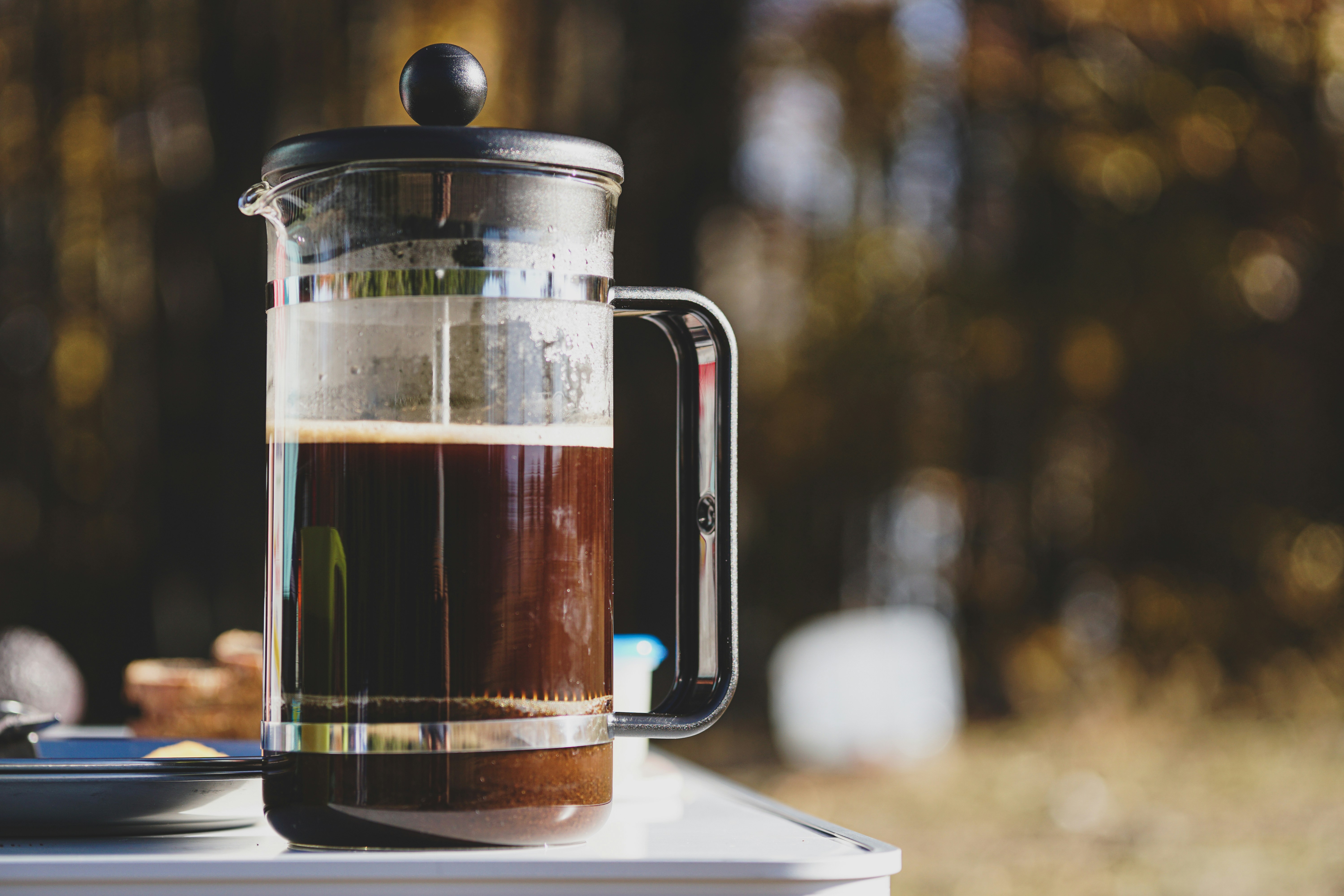
French press coffee makers, by contrast, come with a built-in metal mesh filter that doesn’t need replacing after each use. A quick rinse is all it takes to get it ready for your next brew. Over time, this small habit can keep hundreds—if not thousands—of paper filters out of the bin. It’s an easy change that reduces waste and saves you money as well.
Zero electricity required
Another big plus for the French press is that it doesn’t rely on electricity. Unlike pod machines or espresso makers that need to be plugged in, the French press works completely manually. All you need is hot water, which you can boil using a kettle on the stove or a basic electric kettle.
This means you’re using far less energy overall. Even better, if you’re already boiling water for tea or cooking, you can easily make coffee at the same time without using extra power. It’s a low-energy option that’s perfect for those looking to cut back on their electricity use.
Built to last
Most French presses are made from tough materials like glass, stainless steel, or ceramic. They’re designed to handle daily use and, with a bit of care, can last for many years. Unlike electronic machines that often break down after a few seasons, a French press doesn’t have many parts that can go wrong. If something does wear out—like the filter or the plunger—these parts are often easy and cheap to replace.
This long lifespan means fewer appliances end up in landfill. In a world where electronic waste is a growing problem, choosing something durable and repairable is a real step towards sustainability.
Less packaging and fewer pods
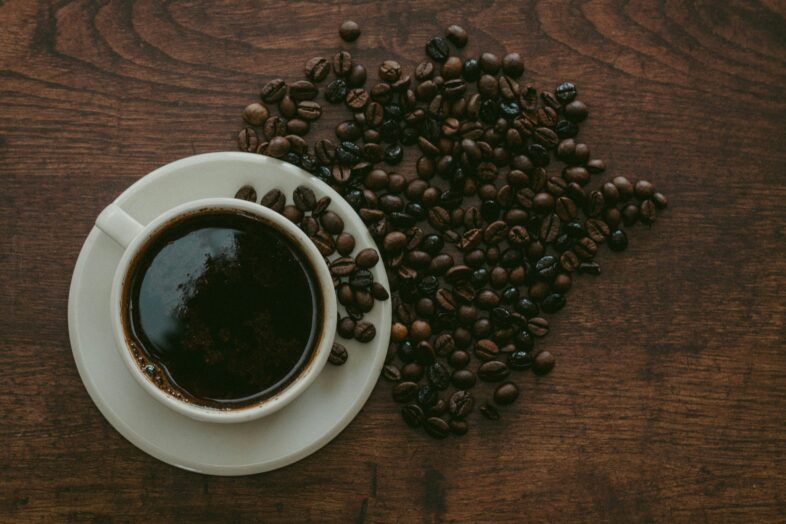
Coffee pods and capsules are convenient, sure, but they create a massive amount of waste. Even the recyclable ones often end up in regular bins because they’re fiddly to clean. The French press allows you to use ground coffee straight from the bag or, even better, beans you grind yourself. That means no plastic pods, no foil lids, and no unnecessary packaging.
You can also buy your beans in bulk, cutting down on the number of bags and containers you go through. Some people even take reusable jars to local roasters or zero-waste shops. It’s all part of a coffee routine that’s cleaner for the planet.
All in all, the French press ticks many boxes for eco-conscious coffee lovers. It’s simple, sturdy, and doesn’t need anything fancy to work. By cutting out single-use filters, slashing electricity use, and reducing waste, this humble brewer proves that going green doesn’t mean giving up flavour. In fact, you might find your coffee tastes better when you know it’s brewed with care—for you and the planet.